
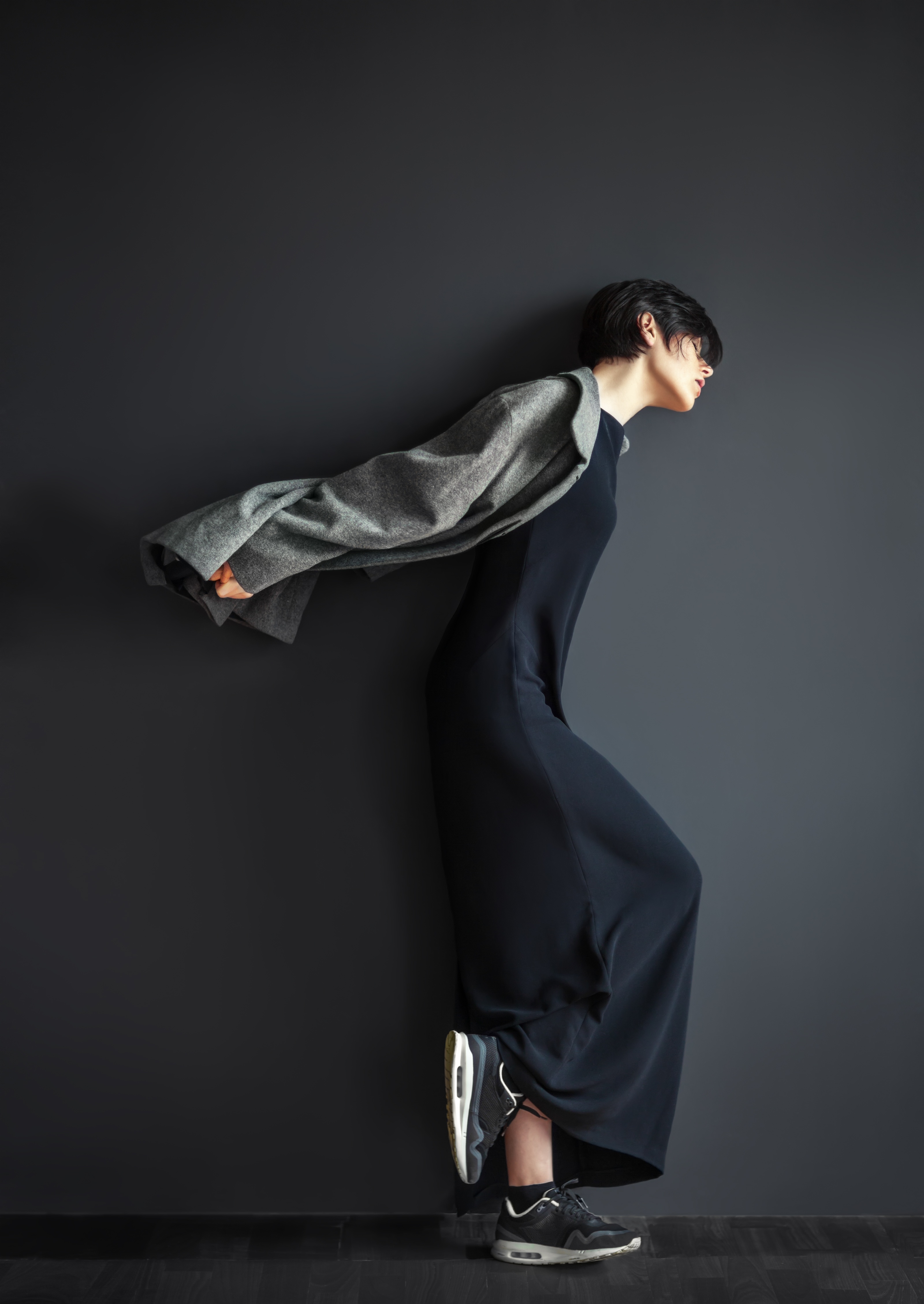
The Cultural Impact of Deconstructed and Abstract Fashion — Deconstructed and abstract fashion has moved from niche runway moments into streets, studios, and everyday closets. It isn’t just about looks; it’s about rethinking how garments are made, worn, and what they say about identity and creativity. Whether you’re curious, inspired, or eager to try a new approach, you can explore this language of clothing in simple, practical ways.
What deconstructed and abstract fashion really means
At its heart, deconstruction strips garments back and plays with form: seams become a statement, layers are unfinished on purpose, and shapes break traditional expectations. Abstract fashion takes pattern, color, and texture beyond literal representation into expressive compositions. Together they invite you to think of clothes as an idea rather than just a uniform.
Understanding these concepts helps you recognize opportunities to adapt pieces you already own. With a little curiosity you can spot a deconstructed trait in a raw-hem sweater, an off-center button placket, or a jacket with visible lining. Abstract elements might show up as asymmetrical color blocking, painterly prints, or unexpected texture mixes.
Build a wearable deconstructed wardrobe
You don’t need a couture budget to welcome deconstructed and abstract pieces into your rotation. Start by choosing one or two items that read as experimental: a jacket with exposed seams, a skirt with layered panels, or a top with an irregular hem. Keep the rest of your outfit clean and simple so the statement piece can shine.
Balance is key. Pair an asymmetrical blouse with classic trousers or let an abstract-patterned scarf bring fresh life to a neutral coat. You can build gradually: add one unique piece each season and let your personal style evolve. This approach helps you wear deconstruction confidently rather than feeling like you’re trying on a costume.
Simple DIY and alteration ideas anyone can try
Transforming existing garments is an accessible way to experiment. Cut a jumper slightly at the hem for a raw-edge look, unpick a few interior seams to reveal lining, or reattach a sleeve in a slightly off-center position for intentional asymmetry. Small changes create big visual interest.
If you’re nervous about scissors, try temporary alterations first: safety-pin a drape to create new folds, use fabric tape to experiment with off-kilter closures, or layer pieces to mimic deconstructed silhouettes. With a sewing kit and a little practice you can learn to make permanent alterations that feel custom and expressive.
Practical styling tips for everyday wear
Wearing deconstructed and abstract items in day-to-day life is about translating bold ideas into practical outfits. Choose one focal piece and keep accessories minimal. For work-friendly looks, anchor an abstract top with tailored bottoms. For weekends, let texture and volume take center stage with muted layers underneath.
Play with proportion. A deliberately oversized sweater pairs well with slim bottoms; an asymmetric skirt benefits from a fitted top. Mix materials to add depth—denim, cotton, leather, and knits all respond differently to deconstruction. You can also use color strategically: a neutral palette highlights shape and structure, while a pop of vibrant color emphasizes the abstract element.
Why deconstructed fashion matters culturally and sustainably
Deconstruction and abstraction in fashion are more than aesthetics; they reflect shifting values. Many designers and makers use visible construction, repurposed fabrics, and unconventional cuts to question fast-fashion norms and champion creativity. When you choose altered, repurposed, or thoughtfully made pieces, you’re supporting a culture that values process and storytelling.
On a personal level, these styles encourage self-expression. Wearing something that visibly reveals how it’s made can be an honest, human statement. It invites conversation and allows you to connect with the ideas behind clothing—craft, resilience, and resourcefulness.
How to discover and shop without overwhelm
Explore local markets, vintage stores, and small independent makers for one-of-a-kind deconstructed or abstract items. Online platforms can be useful too, but focus your search on terms like deconstructed, asymmetrical, or repurposed. Try pieces in person if possible; fit and texture matter a lot with experimental silhouettes.
When buying, imagine how an item will work with what you already own. A single well-chosen piece can elevate many outfits. You can also commission simple alterations from a tailor to make a garment feel more intentional and personal.
Deconstructed and abstract fashion is an inviting, creative realm that anyone can explore. With a few thoughtful choices and a dose of playful experimentation, you can add expressive, sustainable, and wearable pieces to your life. Embrace the unexpected, try small DIY tweaks, and let your wardrobe tell a story that feels uniquely yours.
This text was generated using a large language model, and select text has been reviewed and moderated for purposes such as readability.