
How to Choose Between Braising, Roasting, and Sautéing
Recipes toss around terms like braise, roast, and sauté as if they expect you to instinctively know the difference. The good news: these classic techniques are easy to understand and remarkably useful. With a little creativity and a few simple habits, you can pick the right method for the ingredient, the time you have, and the flavor you want to create.
What each method does and why it matters
Braising is a low-and-slow cooking method that pairs gentle heat with a small amount of liquid. It softens tough cuts and concentrates flavor. You can turn economical meat or sturdy vegetables into tender, cozy dishes by braising, and the liquid becomes a rich sauce.
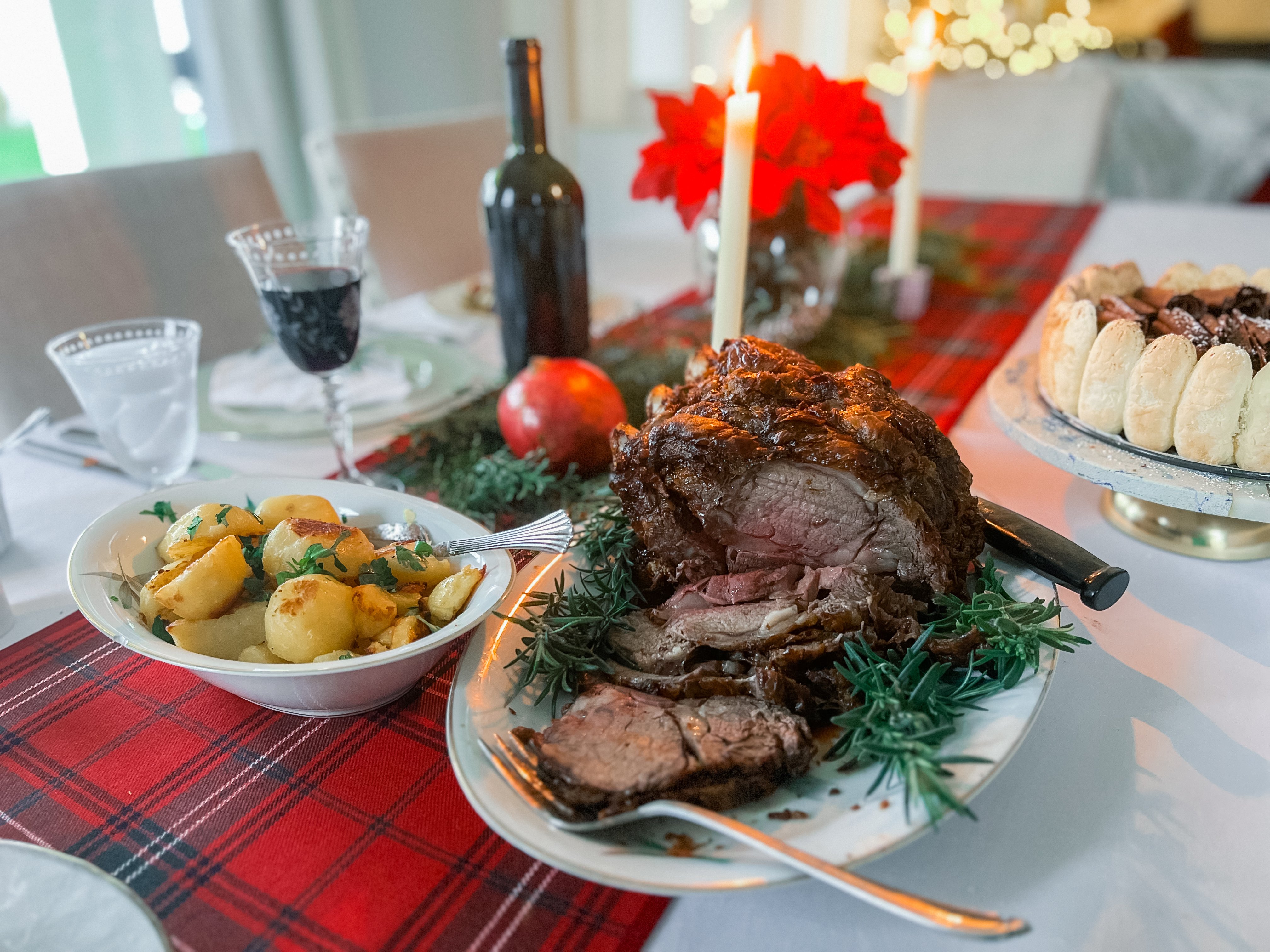
Roasting cooks with dry heat, usually in the oven. It’s great for creating a browned, caramelized exterior and an even interior. Roasting brings out sweetness in vegetables and gives whole birds or roasts a satisfying crust without losing juiciness.
Sautéing uses high heat and a small amount of fat to cook ingredients quickly. It’s ideal for thin cuts of meat, tender vegetables, and any time you want bright flavor and a little color in just minutes. Sautéing is a fast, versatile tool for everyday cooking.
Practical steps for braising that anyone can follow
Start by searing your protein or vegetables in a hot pan to develop a flavorful brown crust. That crust creates depth in the finished dish. Add aromatics like onion, garlic, or herbs, then pour in enough liquid to come partway up the sides of the food — stock, wine, canned tomatoes, or even a flavorful tea all work fine.
Cover the pot and cook over low heat on the stove or in a moderate oven until the food is fork-tender. Keep the temperature gentle so the connective tissue breaks down slowly rather than drying out. When it’s done, lift the meat or vegetables out and reduce the braising liquid to concentrate it into a sauce.
You can braise in a covered ovenproof pan, Dutch oven, or heavy skillet with a lid. It’s forgiving: if you have 90 minutes to two hours, braising is a great way to produce a deep, homey flavor without constant attention.
Simple roasting tips for crisp edges and full flavor
For roasting, heat the oven before you begin and give food space on the pan so air circulates and the surfaces dry and brown. Pat meats and vegetables dry to avoid steaming. A little oil helps conduct heat and encourages caramelization; season generously with salt and pepper for better flavor.
Use a roasting pan or sheet with a rim to catch juices, and rotate the tray once if your oven has hot spots. For larger joints of meat, a short initial sear on the stovetop speeds browning and still allows the inside to roast evenly. Roasting is an excellent choice when you want hands-off cooking with attractive results.
Everyday sautéing: fast, flexible, and flavor-first
Sautéing is all about hot pan, little fat, and quick movement. Heat the pan until the fat shimmers, then add ingredients in a single layer. Don’t overcrowd the pan or the food will steam instead of brown. Use high heat to seal in juices for thin cuts of meat and to create a little crisp on vegetables.
Because sautéing is so quick, it’s perfect for weeknight meals and for finishing components of a dish. You can sauté aromatics first to build a base, then toss in pre-cooked braised meat for a speedy finish that adds texture and complexity.
Match the method to ingredient, time, and flavor
Choose braising when you have tougher cuts, root vegetables, or when you want a deeply savory, saucy result that improves with time. Pick roasting for whole birds, tender roasts, and nearly any vegetable you want to caramelize and crisp. Opt for sautéing when speed matters and ingredients are already tender or thinly sliced.
Your time budget also guides the choice. If you have a few hours, braising rewards patience. If you have an hour or less and want hands-off cooking, roasting fits nicely. If you have 10–20 minutes, sautéing will be your best friend.
Creative swaps, combos, and everyday inspiration
Don’t feel locked into one method. You can sear and then braise, roast and then finish with a quick sauté for a crisp topping, or braise meat and later shred it for tacos, salads, or sandwiches. Leftover roasted vegetables can be tossed with lemon and herbs for a bright salad, while sautéing is a fast way to refresh cold roasted slices into a warm side.
With a little creativity, these techniques become building blocks. Start with one main method and think of the others as tools to adjust texture, color, and finish. Small experiments — like finishing a braise under a broiler to crisp the surface — teach you how flexible each technique can be.
Cooking decisions don’t have to be intimidating. By focusing on the ingredient, the time you have, and the texture or flavor you want, you can confidently choose between braising, roasting, and sautéing. Try one technique this week and notice how it changes the outcome — you’ll gain a practical sense that makes future choices easy and fun.
This text was generated using a large language model, and select text has been reviewed and moderated for purposes such as readability.