
How Dining Out Really Compares to Home Cooking Costs
Eating out feels convenient and fun, but the true cost stretches beyond the sticker price on the menu. Whether you dine out every week or rarely cook at home, understanding the hidden expenses can help you make choices that fit your budget and lifestyle. With a little creativity, you can enjoy the best of both worlds—delicious meals and smarter spending.
Look Beyond the Menu Price
When you compare a restaurant entrée to a homemade meal, the comparison often stops at the listed price. The real bill usually includes tax, tip, and sometimes service fees or delivery charges. Those extras can add 20–30% or more to the cost of a meal. You can quickly turn a modest dinner into a significant expense without noticing.
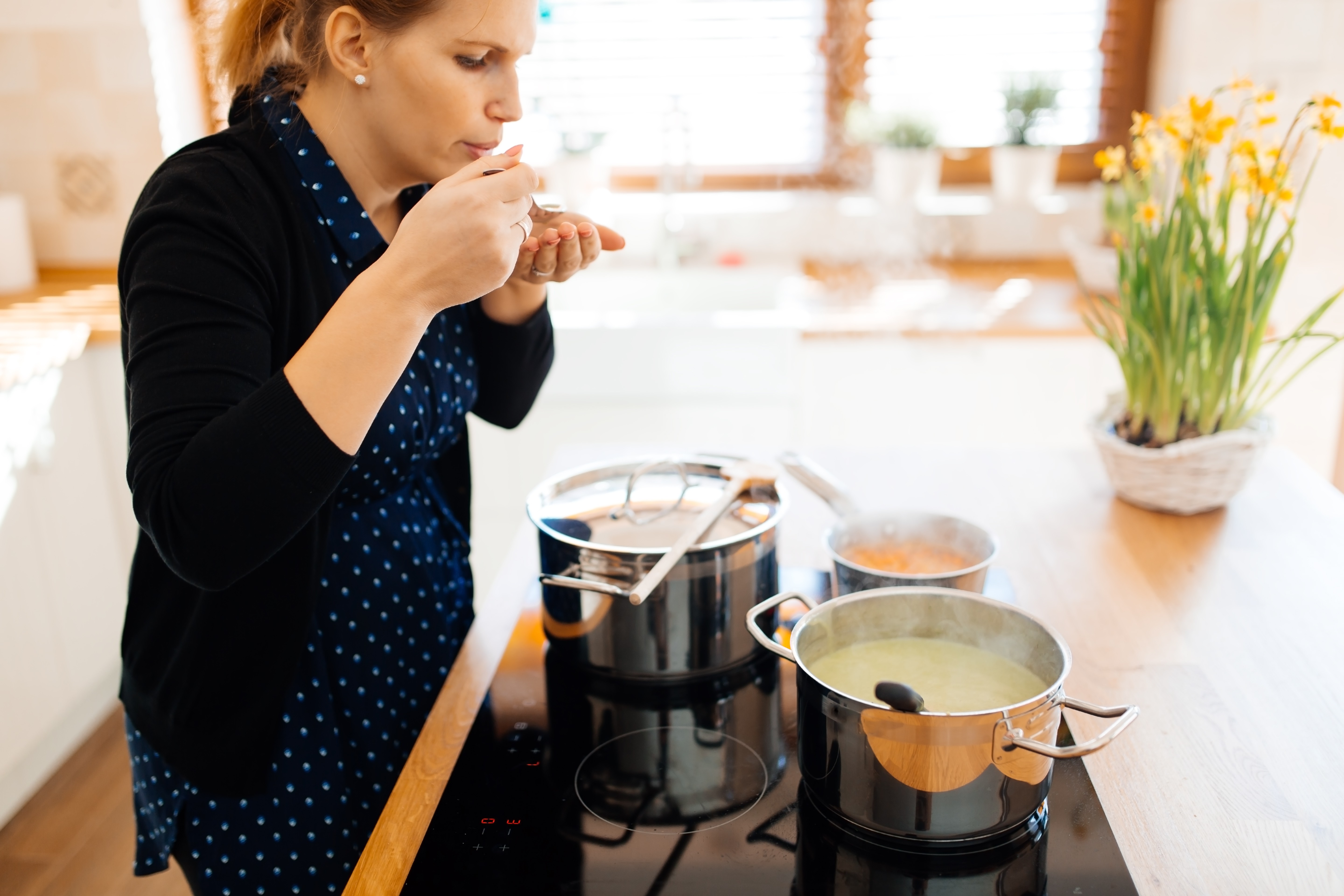
Cooking at home shifts some costs that are hidden at restaurants into visible ones: groceries, spices, and kitchen tools. While buying ingredients seems expensive at first, those items typically make multiple meals. Think of pantry staples and proteins as investments that lower the per-meal cost over time.
The Value of Time and Convenience
Time matters. For many people, the convenience of dining out—no shopping, no prep, no cleanup—is worth paying extra. To weigh that trade-off, consider how much your time is worth and whether you enjoy cooking. Some evenings may be perfect for takeout, and other nights are ideal for a relaxed home-cooked meal.
You can make home cooking less time-consuming by choosing simple recipes and batching tasks. With a short grocery list and a 30-minute recipe, you get both lower cost and a satisfying meal. Simple ways to save time include prepping ingredients on the weekend and using leftovers as building blocks for easy dinners.
Hidden Health and Portion Costs
Restaurant portions are often larger than needed, which can lead to food waste or overeating. Extra calories can translate into physical and financial costs if they become a habit. When you cook at home, you control the ingredients and portion sizes, which usually means fewer leftover calories and smarter grocery spending.
Another hidden cost is the nutritional trade-off. Restaurants sometimes use more salt, sugar, and fat for flavor. Making simple swaps at home—more vegetables, whole grains, a bit less fat—can stretch your grocery dollar further by turning one meal into multiple healthful servings.
Transportation, Delivery, and Opportunity Costs
Getting to a restaurant or paying for delivery adds friction and cost. Gas, parking, and delivery fees are all part of the equation. If you frequently choose convenience, those small costs add up over a month.
There’s also the opportunity cost of routine dining out: money you might have saved or invested instead. Small changes, like choosing to cook at home twice a week, can free up funds for experiences, savings goals, or kitchen upgrades that make cooking even easier and more enjoyable.
Practical Ways to Capture Home Cooking Savings
Start with a few easy habits that make cooking at home both practical and appealing. Plan just three meals a week and build from there. You can batch-cook one night and repurpose leftovers into lunches or new dinners. Keep a running list of pantry essentials so you never buy duplicate items.
Explore simple recipe swaps that use the same ingredients. If you buy a rotisserie-style chicken or roast a whole chicken, it can become soup, tacos, salad protein, and sandwiches—multiplying the value of that one purchase. Shop seasonally and buy versatile vegetables and grains that stretch across meals.
When you do eat out, make it strategic. Choose places that offer shareable plates or opt for lighter menu items that won’t require an oversized tip. Consider splitting a main course or taking half home to save money and reduce waste.
Small Changes, Big Impact
You don’t have to choose extremes. The goal is not to eliminate dining out but to be aware of the full cost and make choices that match your priorities. With a few small habits—planning, batch cooking, and sensible restaurant strategies—you can enjoy delicious meals without overspending.
Cooking at home often costs less per serving, and it brings added benefits: control over ingredients, smaller portions, and the chance to build skills that pay off financially and personally. You can savor restaurant meals as special treats while letting home cooking do the heavy lifting for both your wallet and well-being.
Choose one simple change this week—plan a two-meal batch, split a restaurant entrée, or track the extras on your receipt—and see how quickly small steps add up. With curiosity and a bit of planning, you can find a satisfying balance between convenience and savings.
This text was generated using a large language model, and select text has been reviewed and moderated for purposes such as readability.