Everyday objects around your home can do more than sit on a shelf — they can quietly guide how much you eat. If you want simpler, low-effort ways to manage portions without strict rules or complicated diets, you can use familiar devices and small tweaks to make serving sizes feel natural. With a little creativity, these household helpers make mindful eating easier and more enjoyable.
Smaller Plates and Clever Dishware Make Portions Look Just Right
One of the simplest changes is to swap out large plates for smaller ones. A modest plate reduces the visual blank space around food, so a normal serving looks satisfying rather than skimpy. You can also choose bowls with sloped sides or shallow dishes that limit how much you can pile on.
Use smaller serving utensils, too. Smaller spoons or salad servers naturally slow down how much you put on your plate. If you’re serving family-style, move large bowls away from the table or put serving dishes on a counter — a small physical distance makes it more likely people will take reasonable portions and return to the pot for seconds only if they’re still hungry.
Repurpose Kitchenware: Muffin Tins, Ice Trays and Jar Lids as Portion Guides
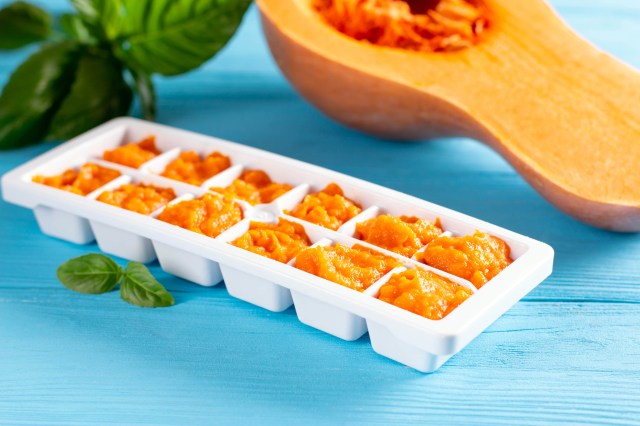
Everyday kitchen items can become precise portioning tools. Muffin tins are perfect for dividing up dips, sides, or even meatloaf — one cup measures or single servings fit neatly into each well. Ice cube trays work brilliantly for pre-portioning sauces, herbs in oil, or small treats. Freeze stock or blended sauces in single-serving cubes, then toss what you need instead of pouring an oversized portion.
Jar lids, measuring cups, and even teacups can act as consistent measures for puddings, grains, or cooked veggies. By deciding one household item equals one serving, you create a stable visual reference that’s easy to repeat.
Use Pill Organizers and Snack Containers for Grab-and-Go Portions
Small containers designed for other uses are surprisingly handy for portion control. A weekly pill organizer, with separate compartments for each day or meal, becomes a tidy way to pre-portion nuts, dried fruit, or trail mix. Small reusable containers or bento boxes help you pack balanced meals without eyeballing amounts when you’re in a rush.
If you’re preparing snacks for the week, portion them into these small containers right after shopping. You’ll save time and avoid the temptation to eat straight from a large bag. You can even label containers by meal or calorie range if you want more structure.
Timers and Pacing Devices Help You Eat Slower and Feel Satisfied
Eating quickly often leads to overeating because your body needs time to register fullness. A simple kitchen timer, a watch alarm, or a smartphone stopwatch can help you pace each bite. Try setting a challenge to chew and sip between bites or to put your fork down between mouthfuls. You can gradually extend mealtime without it feeling tedious.
There are also small gadgets that beep or vibrate at intervals to remind you to slow down. You don’t need fancy gear to get the same benefit — use a gentle phone alarm or a kitchen timer. This shift in pace often reduces portion sizes naturally because you notice fullness sooner.
Visual Reminders: Cameras, Mirrors and Plate Markers for Mindful Serving
Your phone camera is a compact, powerful tool for portion awareness. Snap a quick photo of your plate before you start eating. Seeing the image a few minutes later or keeping a short photo diary helps train you to recognize what an appropriate portion looks like. Over time you’ll rely less on photos and more on your own judgment.
Another subtle approach is to use stickers, tape, or a washable marker to create a visible boundary on a plate or bowl. A faint ring or a marked line can indicate an ideal fill level. Mirrors placed near a small dining nook may encourage slower, more mindful bites because you’ll become more aware of your movements and face while eating.
Simple Storage and Serving Habits That Keep Portions in Check
How you store and serve food can have a major effect on portions. Keep bulk items out of easy reach or in opaque containers so you’re less likely to graze mindlessly. Portion leftovers immediately into single-serving containers before they go in the fridge so distant future meals are already right-sized.
When serving, transfer food to a plate instead of eating from a pot, pan, or large package. This simple habit prevents accidental over-serving and gives you a clear stopping point when you finish what’s on your plate.
Portion control doesn’t need to be complicated or feel restrictive. By repurposing everyday items, slowing your pace, and using simple visual cues, you can create practical, gentle systems that support mindful eating. You can start with one small change today — and with a little creativity, those small changes add up to big, lasting habits that make meals feel satisfying and balanced.
This text was generated using a large language model, and select text has been reviewed and moderated for purposes such as readability.