
Why Fiber Intake Is Essential for Lasting Gut HealthGood digestion affects your energy, mood, and how comfortably you move through the day. Fiber plays a surprisingly simple but powerful role in keeping your digestive system functioning smoothly. With a little creativity you can build small, sustainable habits that add up to lasting gut health — no fads or complicated plans required.
How fiber helps your digestive system every day
Fiber is a type of carbohydrate that your body doesn’t fully digest. That’s a good thing: undigested fiber helps soften and bulk up stool, making bowel movements more regular and comfortable. It also slows down the absorption of sugars, helping keep energy more even throughout the day, and supports healthy cholesterol levels.
You can think of fiber as the traffic manager for your gut — it influences how quickly things move and creates a friendlier environment for your digestive tract. Simple ways to benefit include eating a mix of different plants and paying attention to how your body responds as you change your intake.
Everyday foods that make getting enough fiber easy
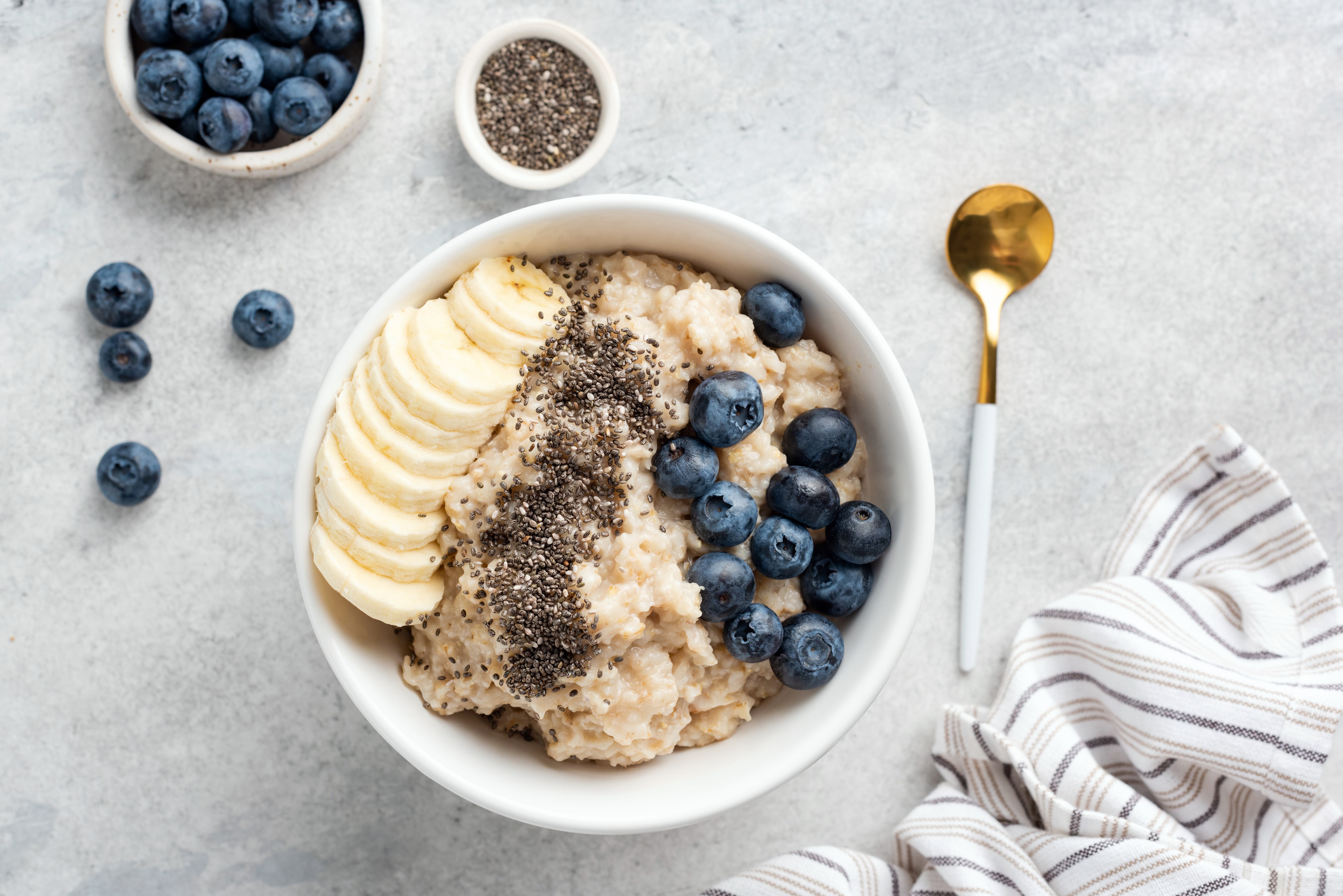
Adding fiber doesn’t mean huge portions or exotic ingredients. Ordinary foods you probably already like are full of it: fruits and vegetables with their skins on, whole grains like oats and brown rice, legumes such as lentils and beans, and small seeds like chia and flax. Nuts also contribute fiber and make great on-the-go snacks.
Try swapping a refined option for a whole one at a meal — for example, choose whole-grain bread or brown rice instead of the refined version. Keep fruit as a regular snack, toss beans into a salad or soup, and sprinkle seeds on yogurt or cereal. These gentle changes add up quickly.
Simple, practical ways to boost fiber without feeling overwhelmed
If your diet is low in fiber now, increase intake gradually so your gut can adapt. Start by adding one fiber-forward swap per day rather than overhauling everything at once. Drink more water as you raise fiber too; hydration helps fiber do its job.
You can blend a quick breakfast smoothie with whole fruit and a handful of greens, stir beans into chili or pasta sauce, or roast a big sheet-pan of mixed vegetables to munch on across several meals. Meal prep can make fiber feel effortless: cook a pot of lentils or a tray of roasted vegetables and use them throughout the week.
How fiber supports your gut microbiome
Fiber is also food for the beneficial microbes living in your intestines. These microbes ferment certain fibers into short-chain fatty acids, compounds that support the cells lining your colon and help regulate inflammation and immune signals. A varied plant-focused diet encourages a diverse microbiome, which research links to better digestive resilience.
You don’t need to chase a perfect microbiome — simply rotating different fruits, vegetables, whole grains, and legumes gives your gut microbes a wider range of nutrients. Fermented foods can complement fiber-rich meals by offering additional microbial diversity, but the core advantage comes from consistently eating plants.
Turning ideas into lasting habits
Sustainable change comes from small routines. Pair a new fiber habit with something you already do: add a piece of fruit to your morning routine, mix beans into your usual salad, or make whole-grain toast part of your evening snack. Keep quick fiber options visible and ready, like cut-up vegetables or pre-cooked beans in the fridge.
When eating out, look for dishes with vegetables, whole grains, or legumes and ask for a side salad or additional vegetables. Track how you feel: increased regularity, less bloating, or steadier energy are signs fiber is helping. If you have specific digestive concerns, check in with a healthcare provider, but for most people, small consistent changes lead to noticeable improvements.
Fiber is a simple, practical tool that supports digestion, feeds your gut microbiome, and helps you feel your best over the long term. With an openness to try a few swaps and a little creativity in the kitchen, you can build enjoyable habits that make lasting gut health feel natural and manageable. You can start today — one fruit, one veggie, one whole-grain swap at a time — and enjoy the steady benefits over months and years.
This text was generated using a large language model, and select text has been reviewed and moderated for purposes such as readability.