
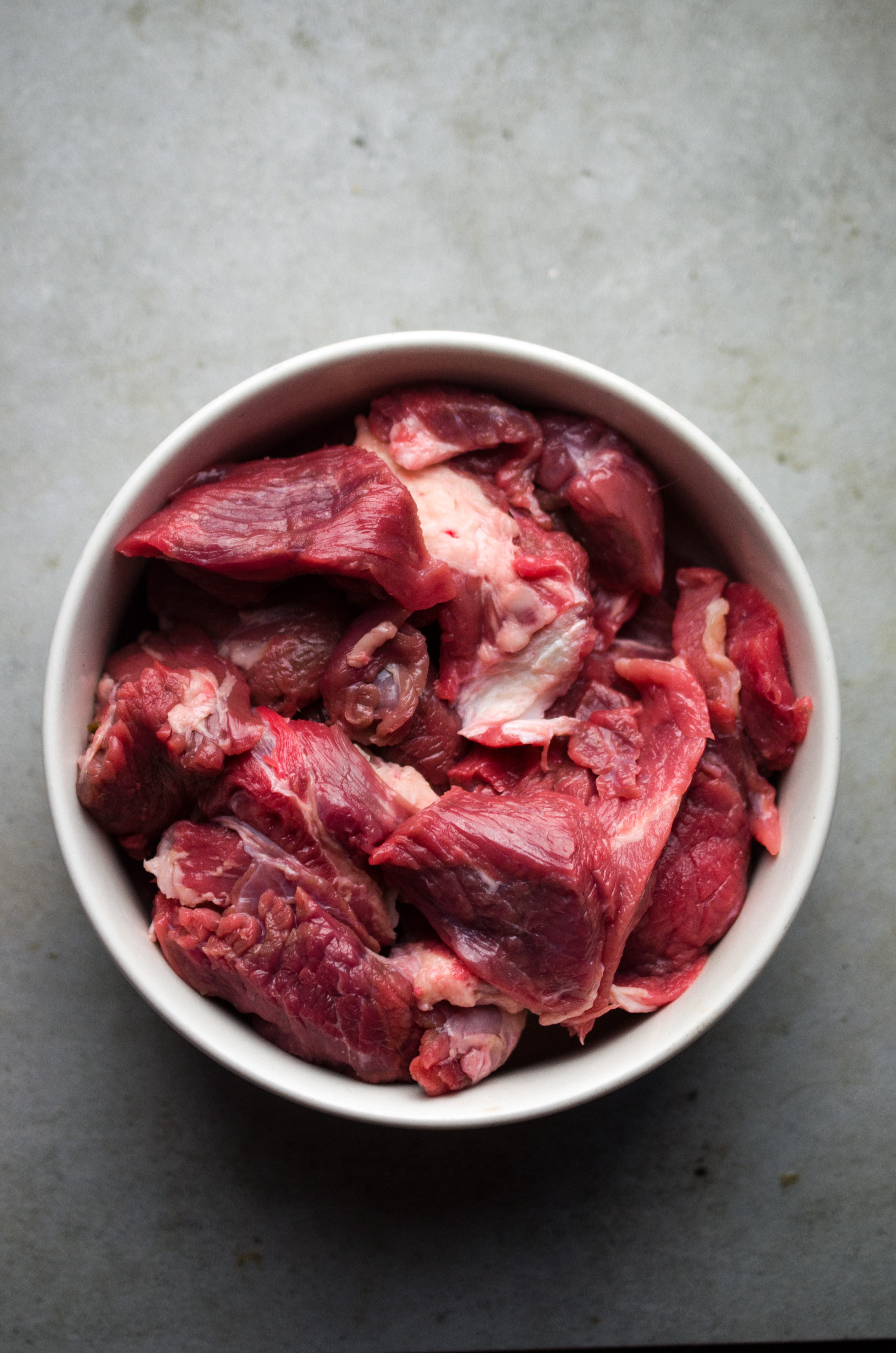
Preserve Flavor and Safety When Thawing Different Cuts
Thawing meat the right way keeps your food tasting great and protects your family from foodborne illnesses. With a few simple habits you can defrost everything from thin cutlets to big roasts without sacrificing texture or flavor. Below are practical, easy-to-follow methods that fit everyday kitchens and busy schedules — plus friendly tips to make meals better once the meat is thawed.
Fridge thawing: patient and reliable
Thawing in the refrigerator is the gentlest method and works for nearly all types of meat. Place the wrapped meat on a tray or plate so any juices don’t drip onto other foods. Plan ahead: small cuts and steaks may thaw in a day, while large roasts or whole poultry can take a day or more. The steady, cool temperature helps preserve texture and flavor without partially cooking the surface. Once thawed, you can keep most meats in the fridge for a day or two before cooking, which gives you flexibility in meal planning.
Cold-water thawing for when you need speed
If you forgot to plan ahead, the cold-water method speeds things up without the downsides of room-temperature thawing. Keep the meat securely sealed in its original packaging or a leak-proof bag, then submerge it in cold tap water. Change the water every 20–30 minutes so it stays cold and continues to thaw safely. This method works well for steaks, chicken parts, and smaller roasts; it’s faster than the fridge but still gentle enough to preserve juicy texture. Remember to cook the meat promptly after this method.
Microwave defrosting: quick but use caution
Microwave defrosting is the fastest option, handy for busy weeknights. Use the microwave’s defrost setting or short bursts of low power, rotating and flipping the meat as it softens. Because microwaves can start to cook edges while the center remains frozen, it’s best to finish cooking right away. Microwave thawing is especially useful for thin cuts, pieces you’ll fry right away, or when you’re combining thawing and marinating into one quick step. Keep a close eye to avoid starting to cook the meat prematurely.
Cooking from frozen: when it’s perfectly okay
Some meats can be cooked straight from the freezer without thawing. Small portions, thin fillets, and certain poultry pieces will cook through when you simply add extra time and lower the heat slightly to ensure even cooking. This approach skips the thaw entirely and can be a real time-saver. For best results, separate frozen pieces before cooking whenever possible so heat flows more evenly and seasoning adheres better as the surface begins to thaw during cooking.
Handling different cuts: quick tips per type
Different cuts benefit from slightly different approaches. Ground meat and sausage thaw evenly in the cold-water method or microwave; once thawed, cook immediately because they have more surface area and are more perishable. Poultry benefits most from slow fridge thawing to keep skin and meat tender, but if you must use cold water or microwave, plan to cook right away. Fish and shellfish are delicate; thaw in the fridge or under cold running water and pat dry before cooking to protect flaky texture. Large roasts and whole birds prefer slow fridge thawing for even texture and best flavor.
Simple ways to preserve flavor after thawing
After thawing, small steps make a big difference. Pat meat dry with paper towels before searing to get a nice crust. If you like marinades, apply them once the meat is mostly thawed so the flavors penetrate evenly. For tougher cuts, a brief rest in a simple brine after partial thawing can boost juiciness. When using marinades with strong acids like citrus or vinegar, don’t leave delicate seafood in them too long — a short soak protects texture while adding flavor.
Practical safety reminders
Use leak-proof packaging to prevent cross-contamination and always keep raw meat separate from ready-to-eat foods. If you use the microwave or cold water methods, plan to cook meat immediately. If something thawed in the fridge and you change your plans, it’s generally safe to refreeze raw meat if it was kept cold and hasn’t sat at room temperature; however, each thaw-refreeze cycle can affect texture, so try to refreeze only when necessary.
Conclusion
With a little planning and a few simple techniques you can thaw any cut of meat safely while preserving flavor and texture. Choose the method that fits your timeline and the type of meat, keep things clean and cold, and use post-thaw touches like drying, gentle marinades, or low-and-slow cooking to get the most delicious results. A few mindful steps will help every meal feel fresh, safe, and satisfying.
This text was generated using a large language model, and select text has been reviewed and moderated for purposes such as readability.