
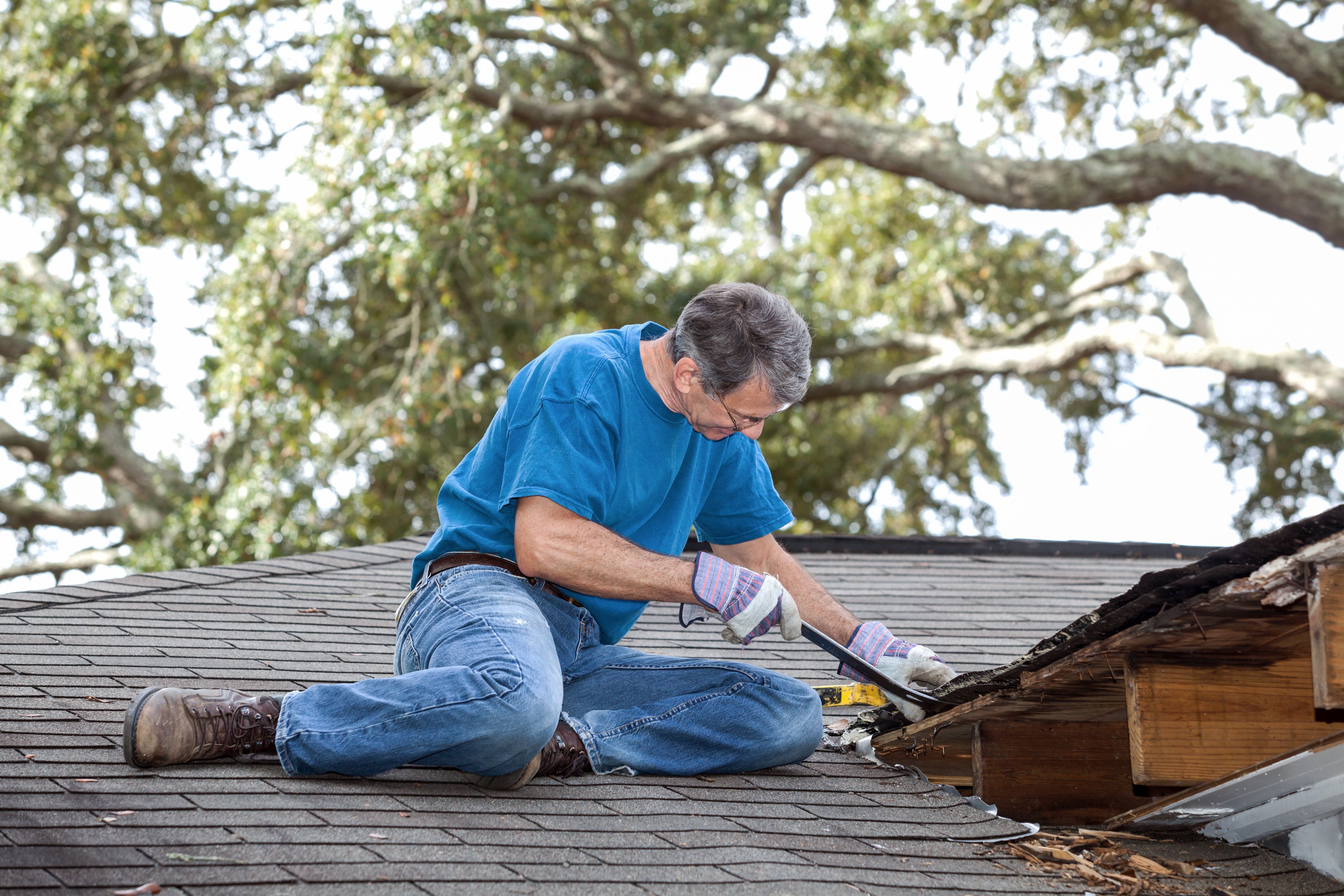
Budgeting Secrets Pros Use to Handle Unexpected Repair Expenses
Surprises happen: a leaking roof, a sputtering heater, or a sudden car repair. Those moments can feel stressful, but with a few simple habits you can treat repair bills like a manageable, expected part of life rather than a crisis. This guide shares practical, low-effort strategies professionals use to plan for unexpected repair expenses so you can stay calm and in control.
Think of repairs as ongoing costs, not one-time disasters
When you shift your mindset, budgeting gets easier. Professionals treat repair and maintenance as regular line items, similar to utilities or groceries. You don’t need exact predictions — approximate averages work well. Look back over the last year or two and note any repairs and their costs. Then divide that total by 12 to get a monthly baseline you can contribute toward a repair fund.
This approach helps you avoid panic when something breaks. With a steady small contribution, you’ll have a buffer built up so repairs don’t derail other financial goals. You can adjust the amount up or down as you learn more about your home, car, or appliances.
Create a sinking fund and automate it
A sinking fund is a dedicated savings account for anticipated expenses. Open a separate account for repairs and name it clearly so you’re less tempted to dip into it. Set an amount that feels comfortable and move it automatically each pay period. Automation removes decision fatigue and ensures the fund grows without constant effort.
If automation feels intimidating, start tiny. Even a small automated transfer, like the cost of a coffee each week, adds up over months. With a little creativity, you can increase transfers on months with extra cash and dial them back temporarily when needed.
Use tiers for small fixes versus big replacements
Not all repairs are equal. Break your planning into tiers: a petty cash tier for very small fixes, a mid-range tier for common repairs, and a large-repair tier for major work or replacements. Keep the petty cash in an easy-access account and the larger funds in a slightly higher-yield account where they can earn a bit of interest.
This tiered method helps you avoid using your big fund on minor issues and teaches you to assess a problem before rushing into a costly fix. You can decide—sometimes a temporary, inexpensive fix buys time to plan a more permanent solution without financial strain.
Trim costs with smart triage and DIY where appropriate
Before calling a pro, use a quick triage: is the issue urgent and unsafe, or is it something that can wait a few days? Many repairs have simple first steps you can try safely—replacing a filter, tightening a loose screw, or resetting a breaker. Learning a handful of basic DIY skills pays off quickly and keeps small costs small.
When you do hire help, get two estimates if the job is non-urgent. Ask questions about warranties, materials, and the timeline. Clear communication can prevent costly surprises and sometimes reveals a simpler, less expensive fix.
Explore flexible payment options without leaning on risky credit
Sometimes large repairs exceed what’s in your fund. Rather than defaulting to high-interest credit, look at lower-cost alternatives. Many service providers offer short-term payment plans or financing with manageable rates. Community resources, local nonprofit programs, or municipal assistance can also help with essential home repairs in some areas.
If you need to use credit, choose the lowest-cost option and create a repayment plan that fits into your regular budget. Treat it like a temporary addition to your monthly contributions so your repair fund can recover after the debt is repaid.
Keep records and build a maintenance calendar
Simple record-keeping is a powerful habit. Track repairs, warranties, receipts, and the age of major systems. This information helps you spot recurring problems and decide if repeated repairs mean replacement is more cost-effective. Create a basic maintenance calendar for seasonal checks and small preventive tasks to reduce the chance of big failures.
With a calendar and records, you can plan ahead for known upcoming expenses and reduce surprises. Over time you’ll get better at estimating how much you should save each month based on real data.
Wrap-up: small steps, big peace of mind
You don’t need to be perfect to be prepared. With a few simple changes—treating repairs as regular expenses, automating a sinking fund, using tiers, doing basic triage, and keeping records—you can turn unexpected repair bills from emergencies into manageable events. You can build financial resilience a little at a time, and with a bit of practice you’ll handle repairs with more confidence and less stress. Start with one small habit today and watch it grow into dependable peace of mind.
This text was generated using a large language model, and select text has been reviewed and moderated for purposes such as readability.